Eleven questions and answers on the popular vote
1. Why does Kunsthaus Zürich need additional contributions – and what will be voted on in September?
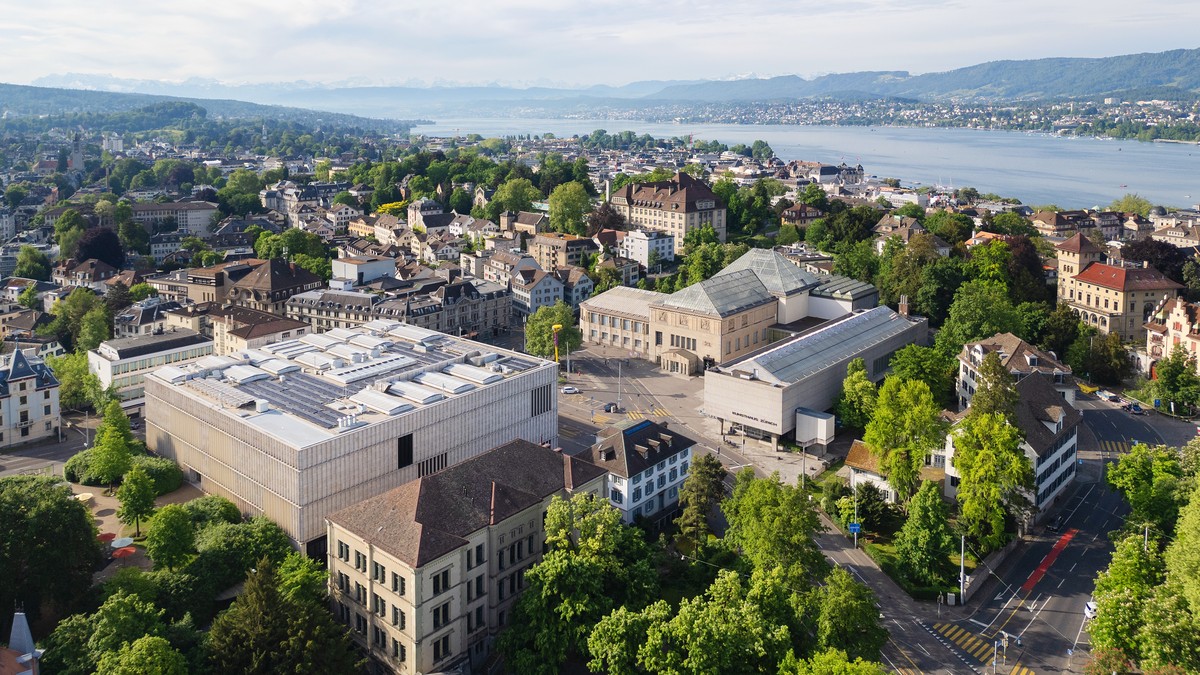
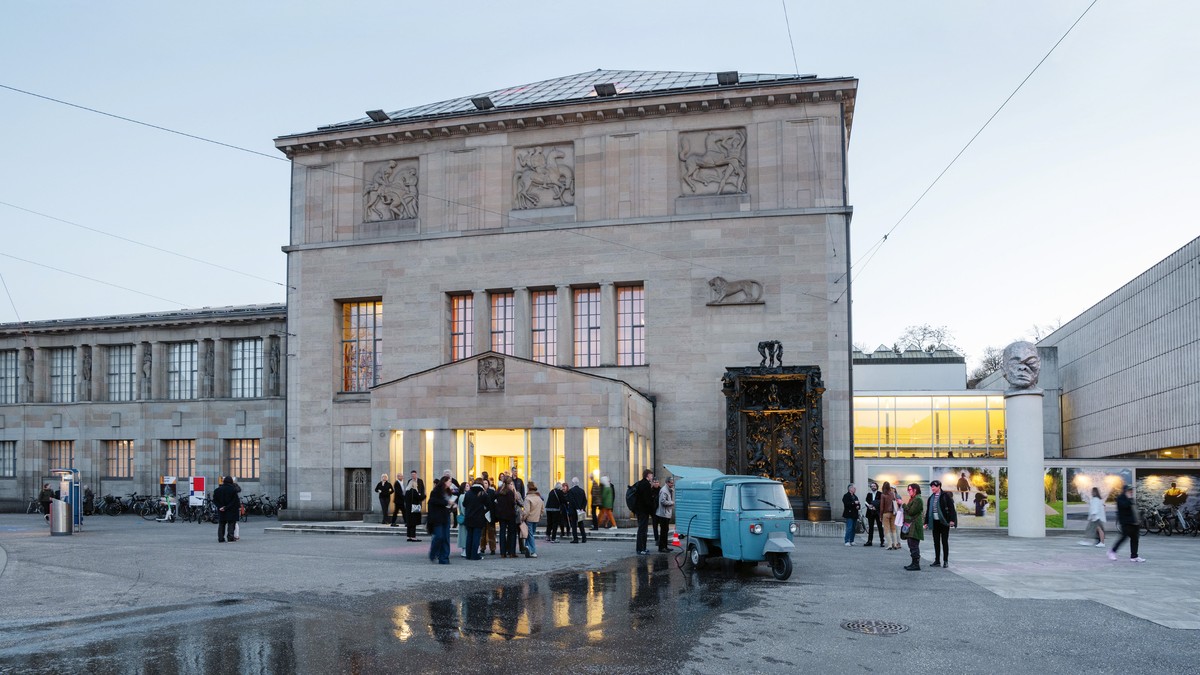
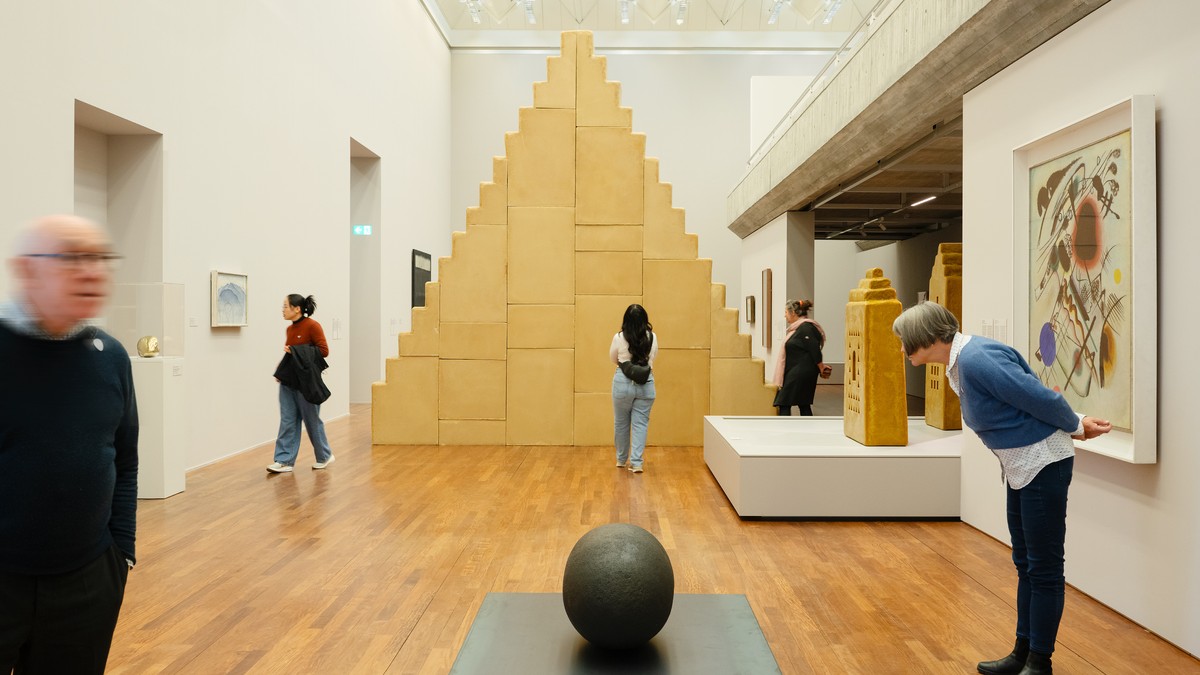
Kunsthaus Zürich has grown significantly in recent years, particularly with the extension designed by David Chipperfield, which opened in 2021. Since its opening in 2021, Kunsthaus Zürich has recorded more than 500,000 visitors per year on a stable basis, compared with the approximately 400,000 originally expected.
This public success has also significantly increased the demands placed on operations, building maintenance, energy, security, art education and visitor services. At the same time – as is the case for many major cultural institutions – general operating and personnel costs have risen sharply in recent years. The additional funds are therefore intended to provide sustainable financing for a much larger and more intensively used public museum operation.
Kunsthaus Zürich continues to generate around half of the costs of museum operations itself – including through admissions, membership fees, sponsorship and private donations.
2. What exactly are the increased contributions intended for, and how is it ensured that they are used for these purposes?
Kunsthaus Zürich is supported by the association Zürcher Kunstgesellschaft (ZKG) and the Stiftung Zürcher Kunsthaus (SZK). The ZKG operates the museum. Its responsibilities include collecting, preserving, researching, exhibiting and communicating works of art. The SZK owns, or holds building rights to, the Kunsthaus properties and is responsible for their maintenance and preservation of value. It makes the buildings available to the ZKG free of charge.
Kunsthaus Zürich has grown significantly in recent years – particularly as a result of the extension building. This has also increased the demands placed on operations, building maintenance, energy, security and programming.
The additional funds are specifically intended for:
- the operation of the expanded Kunsthaus;
- the maintenance and preservation of the buildings;
- investments and depreciation;
- the securing of good working conditions;
- and the provision of an attractive and accessible offering for the public.
The use of the contributions is contractually regulated. Part of the additional funds is expressly earmarked – among other things for depreciation and for improving working conditions under the collective employment agreement. Their use is reviewed regularly. In addition, the increase in contributions is limited in time and will be re-evaluated at a later date.
3. For what period will the contributions be increased?
The increase in contributions to the ZKG is limited until 2033. By the end of 2031, the City Executive will submit a report to the City Council, in particular on developments since 2026 and on the evaluation of the need for the increased contribution. The City Council will then decide again. The contributions to the SZK are unlimited in duration.
4. Could the additional funding requirement not be financed through private funds?
Kunsthaus Zürich finances around half of the costs of museum operations itself – through admissions, membership fees, ticket sales, rentals, sponsorship, fundraising and private donations. This is a very strong figure for the museum and cultural sector. However, a publicly accessible museum of this size cannot be financed solely through private means. Public funding helps ensure, among other things, that the institution can fulfil its mandate for the entire population – not only for an audience with high purchasing power.
With the opening of the Chipperfield extension in 2021, Kunsthaus Zürich was able to significantly expand its capacity and reach. Revenue targets, visitor numbers and growth in memberships were clearly exceeded.
In recent years, the institution has been able to generate additional funds, particularly through:
- a sustained increase in visitor numbers from over 200,000 to more than 500,000 visitors per year today;
- a positive development in sponsorship and fundraising income;
- an overall stable income situation in the area of memberships;
- growing revenue from rentals, events, the shop and other self-generated activities.
5. Could the deficit not be resolved through savings?
Only in part. Over the past two years, Kunsthaus Zürich has taken extensive measures to stabilise its financial situation. These measures focus both on increasing income and reducing costs, as well as on optimising the organisation in order to create a sustainable financial basis. While some of these measures are already showing positive effects, others will only have their full impact in the coming years. Nevertheless, Kunsthaus Zürich is unable to cover the structural deficit on its own. However, Kunsthaus Zürich has an exceptionally high level of self-financing. The Zürcher Kunstgesellschaft is continuously committed to raising private funds and thus makes a significant contribution to the financing of Kunsthaus Zürich. Public and private contributions complement each other in a way that is almost unique in the cultural sector.
6. Could Kunsthaus Zürich not simply sell a few paintings?
No. According to the guidelines of the International Council of Museums (ICOM), the sale of artworks to finance the ongoing operations of a public museum is not permitted. The collection of Kunsthaus Zürich is part of the cultural heritage and is preserved for the public. Works may therefore not simply be sold in order to cover operating costs. In addition, large parts of the collection consist of donations, permanent loans or earmarked holdings that are subject to special legal and ethical obligations.
7. Why is another subsidy increase needed after there was already a popular vote in 2012?
The last popular vote was almost fifteen years ago, and Kunsthaus Zürich shares the experience of many public institutions and infrastructure projects that long-term forecasts do not always prove accurate. The assumptions made at the time regarding the operating costs of the expanded museum unfortunately turned out to be too low. In addition, since the opening it has become clear that the expanded Kunsthaus is used much more intensively than originally forecast (see question 1).
The main driver of the sharply increased operating costs of the ZKG is personnel costs. The 2011 business plan significantly underestimated the additional staffing needs resulting from the Chipperfield extension. Additional costs also arise from improved working conditions: an annual wage adjustment of 1% in accordance with the collective employment agreement, adjustments to the 2006 salary table and, newly, five weeks of holiday. Around CHF 1.8 million of the additional CHF 4 million is earmarked for these improvements. Further cost drivers at the ZKG include higher energy costs due to the geopolitical situation, higher transport and insurance costs, and inflation. Additional costs also arise from increased requirements in the areas of security and IT. In addition, CHF 0.75 million per year is earmarked for depreciation costs. Since 2023, a new subsidy agreement with the City has also been in force, imposing higher requirements for provenance research and art education work.
At the SZK, the contributions were set too low at the time, based on a calculation method of 1.5% of the building insurance value.
8. Is taxpayers’ money being used here to finance an offer for a small, wealthy group?
Kunsthaus Zürich deliberately addresses a broad audience and sees itself as a public place for the entire population. It offers:
- numerous free offers; around one quarter of annual admissions are free of charge;
- free admission to the collection for Zurich residents on Wednesdays and, in future, free admission to exhibitions on four additional days. In 2025, this accounted for 73,000 visits;
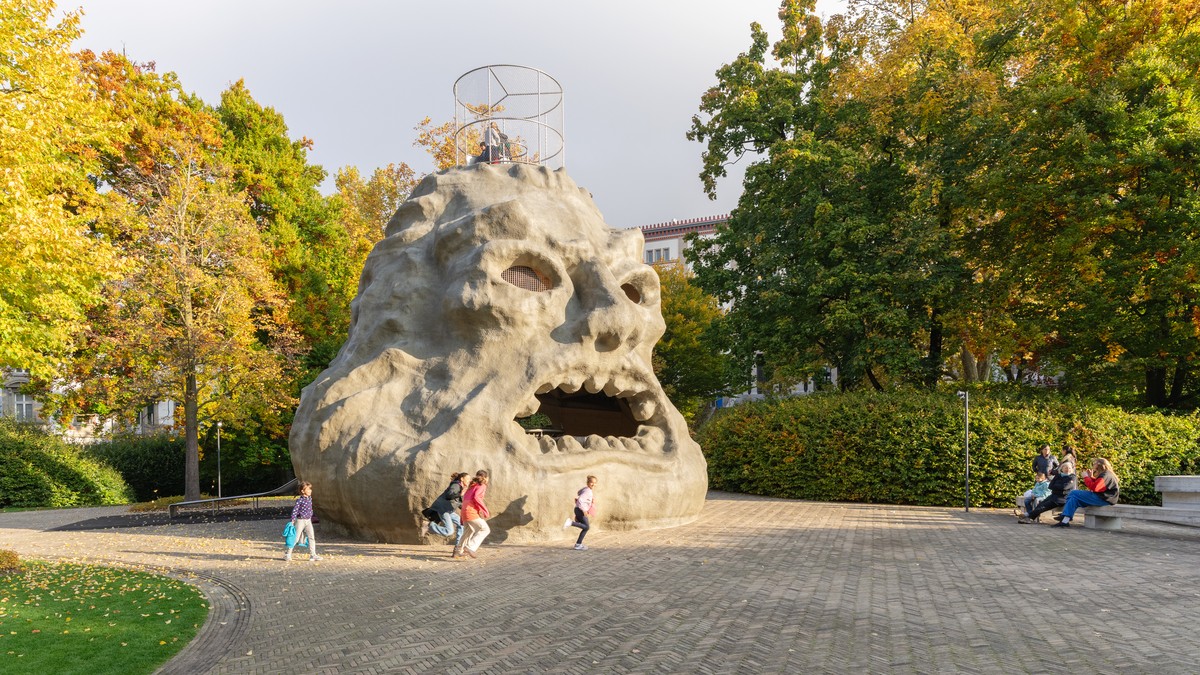
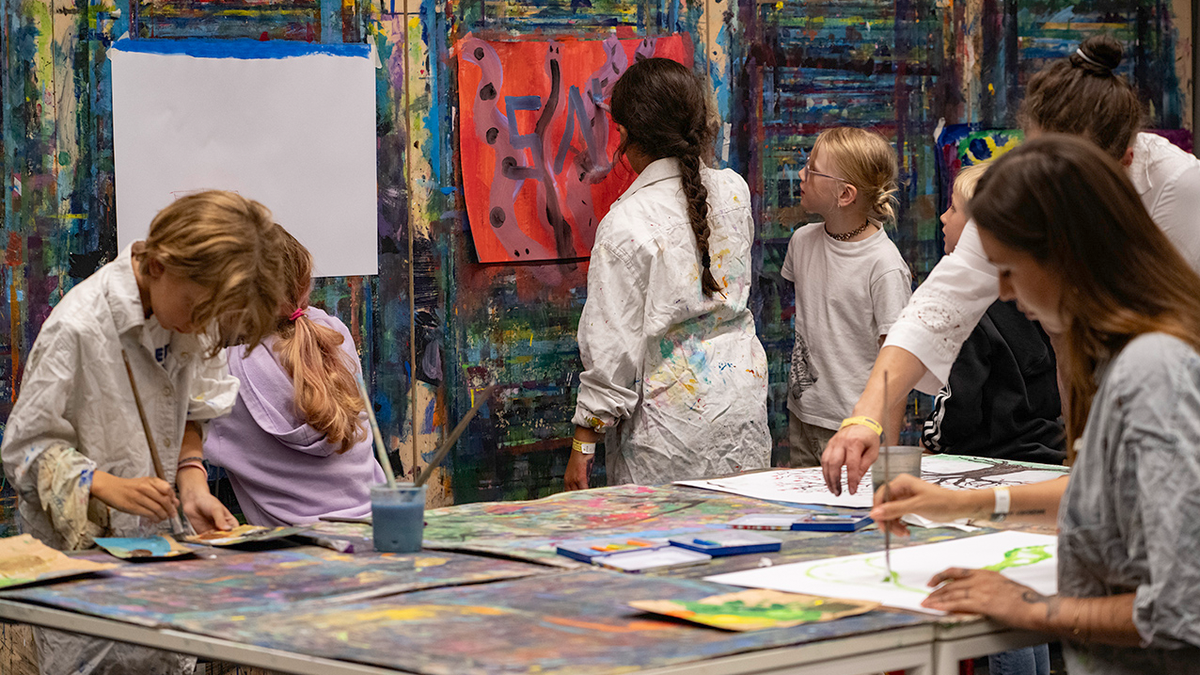
- programmes for children, schools and various target groups: in 2025, 70,000 children and young people benefited from free admission. Kunsthaus Zürich welcomes more than 1,000 school classes with around 25,000 pupils each year;
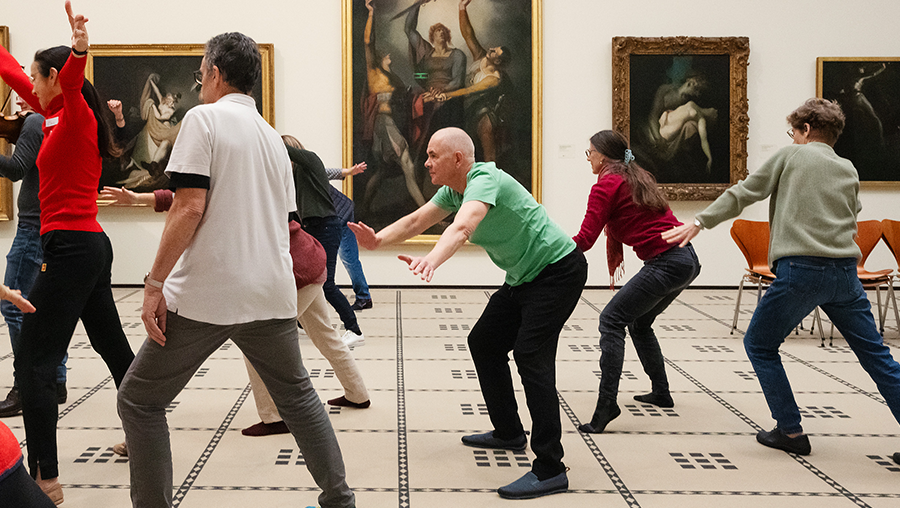
- inclusive offers for people with special needs.
- a publicly accessible research library: The Kunsthaus Library provides access to over 200,000 volumes and more than 370 subscribed journals on modern art and art history.
Public funding thus enables broad access to art, education and cultural participation. In addition, Kunsthaus Zürich is part of an overall cultural ecosystem that strengthens Zurich as a centre of art and brings the city into regional and international cultural exchange.
9. Why does Kunsthaus Zürich receive such high amounts while other cultural offerings receive less or nothing at all?
Different cultural institutions fulfil different roles and therefore have different operating structures and financing models.
Kunsthaus Zürich is one of the largest art museums in Switzerland and, in addition to exhibitions, also carries out extensive collection, research, restoration, security and art education tasks. These are joined by the requirements of an internationally oriented museum operation with more than 500,000 visitors per year.
At the same time, Kunsthaus Zürich finances around half of its budget itself. This is an exceptionally high level of self-financing in the cultural sector.
If voters follow the City Executive and the City Council and approve the voting proposal, the additional funds for Kunsthaus Zürich will not be in competition with the funding of other cultural institutions or the independent scene. A diverse cultural city such as Zurich needs both: strong institutions with international reach as well as independent cultural venues and independent artistic production.
10. Is the additional funding needed even though the Bührle Foundation wishes to amend its foundation purpose and no longer be tied to the City of Zurich, and the future of the Merzbacher Collection is reportedly threatened by an inheritance dispute?
The current proposal for financing Kunsthaus Zürich is not directly related to the future form of the permanent loans from the Foundation E. G. Bührle Collection and the Merzbacher Foundation. The requested additional funds concern the ongoing operation of Kunsthaus Zürich as a whole: an internationally important museum with extensive collection, research and art education responsibilities, regardless of individual collections or exhibitions.
The Merzbacher inheritance dispute does not in itself result in the withdrawal of the works. The foundation holds the right to use the works and may use and manage them in accordance with its foundation purpose. The agreement runs for a fixed term until the end of 2038 and is extended unless terminated. The works could therefore only be withdrawn if the loan agreement were validly terminated in accordance with its provisions.
The Bührle and Merzbacher Collections are only part of the overall offering. At the same time, Kunsthaus Zürich has a significant collection of its own and international networks. Even though Kunsthaus Zürich would like to continue showing the Bührle Collection, it would still be able to offer attractive exhibitions and a high-quality programme in the future without these collections.
The increase in contributions for the Zürcher Kunstgesellschaft, which is now being voted on, is also limited until the end of 2033 and will then be reviewed by the City Council. This ensures that developments around Kunsthaus Zürich and its framework conditions can continue to be accompanied and assessed politically.
11. What happens if voters reject the proposal?
If the subsidy increase is not approved, Kunsthaus Zürich will not be able to achieve the planned self-generated income. In order to maintain operations, significant measures would be necessary, including the closure of exhibition spaces and parts of the buildings, a reduction in art education programmes and staff cuts. The severe restriction of the offering would weaken the local and international standing of Kunsthaus Zürich and lead to stagnant or declining income from fundraising, admissions, rentals and memberships.
The Stiftung Zürcher Kunsthaus would only be able to cover the deficits for a few more years through reserves. Without the increase in municipal contributions, it would not be able to carry out the necessary overall renovation. As a result, the safety of people and the protection of cultural assets – and therefore operations – could no longer be maintained. Parts of the buildings would have to be closed.